

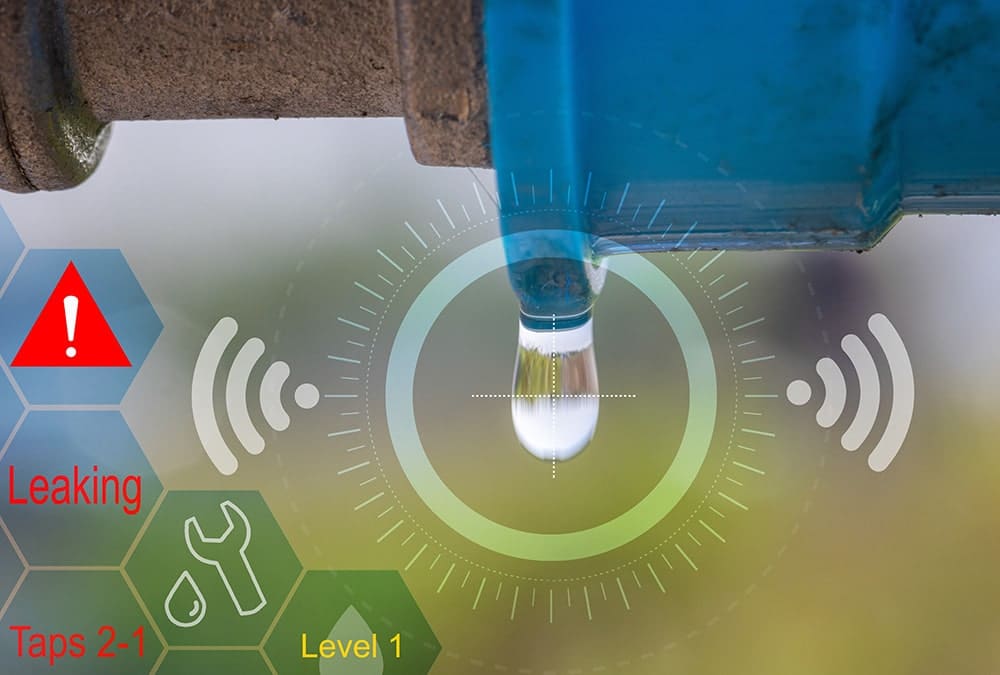
An underground water leak can waste water, increase utility bills, damage property, and weaken the ground around a building. Because the leaking pipe is hidden beneath soil, concrete, pavement, or landscaping, identifying the exact source can be difficult without the right equipment.
If you suspect an underground water leak, knowing which warning signs to look for can help you decide when professional inspection is needed. In this guide, we explain how to find a water leak underground, common signs of a hidden leak, and the detection methods professionals may use to locate the problem.
What Are the Signs of an Underground Water Leak?
Underground leaks are not always immediately visible. However, changes in your water usage, soil conditions, or surrounding surfaces may indicate a problem.
1. An Unexpected Increase in Your Water Bill
If your water bill rises without a corresponding increase in water usage, a hidden leak may be responsible. A damaged underground water line can allow water to escape continuously, even when taps and other fixtures are turned off.
Compare your recent bills with previous months to identify unusual changes. A higher bill alone does not confirm a leak, but it is a reason to investigate further.
2. Wet Spots or Unusually Green Grass
Persistent wet patches in your yard, soggy soil, or areas of grass that grow faster and appear greener than the surrounding lawn can indicate underground water leakage.
These signs may also result from irrigation issues, poor drainage, or recent rainfall. Look for areas that remain wet even during dry weather.
3. A Drop in Water Pressure
A damaged water supply line may cause lower-than-normal water pressure in your building. If several fixtures experience reduced pressure at the same time, the issue could involve the main water supply or another part of the plumbing system.
However, low pressure can have other causes, so further inspection may be necessary.
4. The Sound of Running Water
If you hear water running when all taps, appliances, and other water outlets are switched off, there may be a leak in the plumbing system.
Turn off water-using appliances and check whether your water meter continues to register usage. Unusual meter movement may help identify a possible leak, depending on the meter type and whether any water is still being used.
5. Cracks, Erosion, or Sunken Areas
Water escaping from a buried pipe can gradually wash away soil and create soft ground, small depressions, or erosion. In some cases, moisture may also appear near foundations, driveways, or paved surfaces.
If you notice new ground movement or significant sinking, arrange an appropriate inspection rather than digging into the affected area yourself.
How to Find a Water Leak Underground
Finding an underground water leak starts with checking for evidence of water loss and narrowing down the possible location. The following steps can help you determine whether professional leak detection may be needed.
Step 1: Check Your Water Meter
First, turn off taps, showers, washing machines, irrigation systems, and other water-using equipment. Make sure no one is using water while you perform the check.
Record the meter reading and wait for a suitable interval before checking it again. Follow the meter manufacturer’s instructions, and avoid using water during the test.
If the reading changes despite no intended water use, there may be a leak somewhere in the system. This test cannot confirm that the leak is underground because the problem could also be inside the building or elsewhere in the plumbing network.
“Suspect the leak is inside instead? See how to find a water leak in your house.”
Step 2: Inspect the Area Around Water Lines
Look for visible signs such as damp soil, standing water, unusually green grass, or water emerging near the route of a buried pipe.
If you know where the water line enters the property, check the surrounding area for changes. Do not assume that the wettest spot is directly above the leak: underground water can travel through soil before reaching the surface.
Before any excavation, identify buried utility lines and follow applicable safety requirements.
Step 3: Check for Changes in Water Pressure
Notice whether water pressure has changed throughout the property or only at one fixture. A problem affecting several fixtures may indicate an issue with the main supply or plumbing system.
If you suspect a supply-line problem, a professional can assess the system and determine whether additional leak testing is appropriate.
Step 4: Avoid Unnecessary Digging
Digging in an attempt to locate a leak can damage underground utilities, disrupt landscaping, and increase repair costs. It may also fail to reveal the source if water has travelled away from the damaged pipe.
Instead, use the signs you have identified to help narrow down the area and arrange professional testing when needed.
For suspected buried pipe leaks, Alpha Mechanical Service’s underground leak detection service is the most relevant place to learn about professional detection options.
How Do Professionals Detect Underground Water Leaks?
Professional leak detection can help locate a hidden leak while reducing the need for exploratory excavation. The method selected depends on the pipe material, leak conditions, accessibility, and surrounding environment.
Acoustic Leak Detection
Acoustic detection equipment helps technicians identify sounds and vibrations associated with escaping water. By listening at suitable points along a water line and comparing readings, technicians may be able to narrow down the likely leak location.
Learn more about acoustic leak detection and how this method may assist with investigating hidden leaks.
Tracer Gas Leak Detection
In suitable situations, a tracer gas method can help identify a leak by detecting gas escaping from a system under controlled testing conditions. The appropriate procedure depends on the type of pipe, the system being tested, and site conditions.
Read about tracer gas leak detection to understand another approach that may be considered for difficult-to-locate leaks.
Water Line Inspection
When the suspected problem involves a buried supply pipe, a technician may assess the water line, review available site information, and use suitable testing equipment to narrow down the leak location.
If you suspect a damaged supply line, visit the water line leak detection service page for more information.
No single detection method is suitable for every situation. The correct approach depends on the system and the evidence found during the inspection.
Can You Find an Underground Water Leak Without Digging?
In many cases, technicians can investigate a suspected underground leak using non-invasive or minimally disruptive detection methods before deciding whether excavation is necessary.
The process may involve reviewing water meter readings, inspecting visible signs, assessing the pipe route, and using suitable detection equipment to narrow down the likely location.
However, non-invasive detection does not guarantee that every leak can be located without excavation. Once the likely source has been identified, access may still be required to inspect or repair the damaged pipe.
What Should You Do If You Suspect an Underground Water Leak?
If you suspect a leak, take these practical steps:
- Check your water usage: Look for unexplained increases in your water bill or meter readings.
- Document visible signs: Note damp areas, standing water, erosion, or changes in water pressure.
- Avoid digging blindly: Underground utilities and buried pipes can create safety risks.
- Limit water use if appropriate: If a leak appears significant, follow the property’s shutoff procedures when safe and appropriate.
- Arrange a professional assessment: A qualified technician can help determine whether an underground leak is present and which detection method is suitable.
For urgent suspected leaks, review Alpha Mechanical Service’s emergency leak detection service to learn about the available service options.
Why Early Underground Leak Detection Matters
Leaving an underground water leak unresolved can lead to continued water loss and potentially more extensive property damage. Depending on the location and severity, escaping water may contribute to soil erosion, damage surrounding surfaces, or affect nearby structures.
Early investigation can help narrow down the source and support better repair planning. It can also reduce the risk of unnecessary excavation when appropriate detection methods are available.
For residential properties, commercial buildings, and other sites with buried water lines, the right inspection approach depends on the type of system and the conditions around the suspected leak.
Get Help Locating an Underground Water Leak
An unexplained increase in water usage, persistent wet ground, or a sudden change in water pressure may indicate a hidden plumbing problem. While basic checks can help identify warning signs, locating the exact source of an underground leak often requires suitable testing equipment and professional assessment.
Alpha Mechanical Service provides leak detection services for investigating suspected water leaks. If you are experiencing signs of a buried pipe leak, explore the underground leak detection service to learn more about the available options.
Frequently Asked Questions
How can I tell if I have a water leak underground?
Common warning signs include an unexplained increase in your water bill, a changing water meter reading when water is not being used, persistently wet soil, unusually green grass, reduced water pressure, or erosion around buried pipes. These signs suggest a possible leak but do not confirm its exact location.
How do you find a water leak underground without digging?
Initial checks can include monitoring the water meter, inspecting the ground for moisture, and reviewing changes in water pressure. Professional technicians may then use suitable acoustic or other detection equipment to narrow down the leak location before considering excavation.
Can an underground water leak cause a high water bill?
Yes. A leaking supply pipe can allow water to escape continuously, increasing water consumption and potentially raising the bill. Other causes of increased usage should also be considered.
How accurate is underground water leak detection?
Accuracy depends on the pipe material, leak size, soil conditions, surrounding noise, equipment, and testing method. Professional detection can help narrow down the likely location, but results vary by site and do not guarantee that excavation will never be required.
Should I repair an underground water leak myself?
It is generally best to avoid digging or attempting repairs until the affected line has been identified and buried utilities have been considered. A qualified professional can assess the problem and recommend the appropriate next step.
When should I call a leak detection professional?
Consider professional help if your water meter indicates unexplained usage, wet areas persist without an obvious cause, water pressure changes unexpectedly, or you suspect a buried pipe is damaged. If water is causing immediate damage or a significant safety concern, follow the appropriate emergency procedures and contact a qualified service provider.